
How Often Should You Replace a Vacuum Filter?
A vacuum can lose cleaning performance even when everything looks normal from the outside. One of the most common reasons is a dirty or worn filter that is restricting airflow or no longer trapping dust effectively.
So, how often should you replace a vacuum filter? The answer depends on the type of vacuum, the filter itself, how frequently you use the machine, and what you’re cleaning.
Some filters can be washed and reused, while others need to be replaced periodically. Understanding the difference can help keep your vacuum working properly and prevent you from replacing a filter too early—or leaving one in service for too long.
How Often Should You Replace a Vacuum Filter?
There isn’t one replacement schedule that works for every vacuum.
As a general starting point, check your vacuum manufacturer’s recommendations first. Depending on the model and filter type, a filter may need regular cleaning and occasional replacement rather than replacement after every set number of months.
Your replacement schedule can also change if you:
- Vacuum frequently
- Have pets
- Live with allergy or dust concerns
- Clean carpets regularly
- Vacuum fine dust or debris
- Use the vacuum in a large home
- Notice reduced airflow or suction
The manufacturer’s instructions should always take priority because filter construction and maintenance requirements vary between vacuum models.
Why Does a Vacuum Need a Filter?
Vacuum filters help capture fine particles as air moves through the machine.
Without effective filtration, dust and other particles can pass through the vacuum’s airflow system and potentially be released back into the room.
A properly maintained filter can also help the vacuum maintain good airflow.
When a filter becomes heavily loaded with dust, airflow may become restricted. This can affect how the vacuum performs and may make cleaning less efficient.
That’s why filter maintenance should be part of your normal vacuum-care routine.
Does Every Vacuum Filter Need to Be Replaced?
No.
This is one of the most important things to understand.
Some vacuum filters are designed to be washed and reused, while others are replaceable filters that should not be washed.
There are also models that use multiple filters, with different maintenance requirements for each one.
Before washing or replacing a filter, check your vacuum’s owner’s manual.
Washable filters
A washable filter is designed to be cleaned and reused according to the manufacturer’s instructions.
Typically, maintenance involves:
- Removing the filter.
- Removing loose dust and debris as directed.
- Washing it if the manufacturer permits washing.
- Allowing it to dry completely.
- Reinstalling it correctly.
Never reinstall a washable filter while it is still wet unless the manufacturer specifically says otherwise.
Replaceable filters
Some filters are designed to be discarded and replaced.
Trying to wash a filter that isn’t designed to be washed can damage the filter material and potentially affect vacuum performance.
Signs Your Vacuum Filter Needs Attention
You don’t necessarily have to wait for a calendar reminder.
Your vacuum can give you clues that its filter needs cleaning or replacement.
1. Reduced Suction
If your vacuum doesn’t seem to pick up debris as effectively as it used to, check the filter along with the brush roll, hose, dustbin, and other components.
A clogged filter can restrict airflow.
However, reduced suction doesn’t automatically mean the filter is the problem. Check the entire vacuum according to the manufacturer’s troubleshooting instructions.
2. The Filter Looks Heavily Dirty
A filter covered with dust and debris may need cleaning or replacement depending on its design.
Don’t judge a filter solely by how dirty it looks, though. Some filters can appear dusty while still functioning normally.
Use the manufacturer’s maintenance instructions as your guide.
3. The Vacuum Smells Unusual
A dirty vacuum can sometimes develop an unpleasant smell.
If your vacuum starts producing an unusual odor, check the filter, dustbin, brush roll, and other areas where dirt or debris can accumulate.
A persistent odor may have another cause, so don’t automatically assume replacing the filter will solve it.
4. The Vacuum Gets Hotter Than Normal
If your vacuum appears to be overheating or shutting itself off during use, stop using it and consult the manufacturer’s instructions.
A blocked filter can contribute to restricted airflow, but other problems can also cause overheating.
Don’t continue operating a vacuum that appears to have a serious mechanical or electrical problem.
5. The Filter Is Damaged
A filter that is torn, cracked, misshapen, or otherwise damaged should generally be replaced according to the manufacturer’s recommendations.
A damaged filter may not perform as intended.
How Often Should You Clean a Vacuum Filter?
Cleaning frequency depends on the vacuum and how you use it.
A household that vacuums occasionally may not need the same maintenance schedule as a home with pets and heavy daily cleaning.
A good approach is to check the filter regularly rather than waiting until the vacuum performs poorly.
If you vacuum frequently or deal with significant amounts of dust, pet hair, or debris, you may need to inspect the filter more often.
Always follow the specific cleaning instructions for your vacuum.
How to Clean a Washable Vacuum Filter
If your vacuum uses a washable filter, follow the manufacturer’s instructions.
A typical process may look like this:
Step 1: Turn off and unplug the vacuum
Safety comes first. Disconnect the vacuum from power before performing maintenance.
For cordless models, follow the manufacturer’s instructions for safely removing or servicing the battery-powered unit.
Step 2: Locate the filter
The filter may be located near the dustbin, motor, or exhaust area.
Your owner’s manual should show exactly where it is located.
Step 3: Remove loose debris
Carefully remove accumulated dust according to the manufacturer’s instructions.
Avoid damaging the filter material.
Step 4: Wash only if approved
If the manufacturer says the filter is washable, clean it as instructed.
Do not assume every vacuum filter can be rinsed with water.
Step 5: Let it dry completely
This is critical.
A washable filter should be completely dry before it goes back into the vacuum unless the manufacturer specifically provides different instructions.
Step 6: Reinstall the filter
Make sure it is positioned correctly before operating the vacuum.
How Do You Know When to Replace a Washable Filter?
Even washable filters don’t necessarily last forever.
Over time, a reusable filter can become worn or damaged.
Consider replacement when:
- The filter is damaged.
- The material is deteriorating.
- It no longer fits correctly.
- Cleaning doesn’t restore its condition.
- The manufacturer recommends replacement.
- Vacuum performance remains poor after proper maintenance and other causes have been ruled out.
The exact lifespan varies by vacuum and filter design.
What Happens If You Don’t Replace a Vacuum Filter?
Ignoring filter maintenance can create several problems.
A heavily clogged or damaged filter can restrict airflow and affect cleaning performance.
Depending on the vacuum, poor maintenance may also contribute to:
- Reduced suction
- More difficult cleaning
- Unpleasant odors
- Increased strain on the vacuum
- Dust escaping through the system
The exact effect depends on the vacuum’s design.
That’s why filter care should be treated as routine maintenance rather than something to think about only when the vacuum stops working properly.
Do Homes With Pets Need More Filter Maintenance?
They often may.
Pets can introduce hair, dander, dirt, and other debris into the home. If you vacuum frequently to keep up with pet messes, the filter may accumulate debris faster than it would in a home with lighter cleaning needs.
If you have pets, make filter inspection part of your regular vacuum maintenance routine.
Also remember to check the brush roll and dustbin because pet hair can accumulate in those areas too.
What About HEPA Filters?
Some vacuums use HEPA or other high-efficiency filtration systems.
Don’t assume that a HEPA filter can automatically be washed or reused.
Follow the manufacturer’s instructions for your specific vacuum.
Some filters are washable, while others are designed to be replaced.
If you’re buying replacement filters, make sure the replacement is specifically compatible with your vacuum model.
Vacuum Filter Maintenance Checklist
Use this simple checklist to keep your vacuum in good condition:
| Maintenance Task | What to Check |
|---|---|
| Inspect filter | Look for heavy dust or damage |
| Clean filter | Only if the manufacturer allows it |
| Replace filter | Follow the manufacturer’s schedule |
| Empty dustbin | Don’t allow debris to build up excessively |
| Check brush roll | Remove hair and tangled debris |
| Check hose | Look for blockages |
| Check airflow | Investigate unusual loss of suction |
| Check odors | Inspect the vacuum if unusual smells develop |
Regular maintenance can help you catch small problems before they become bigger inconveniences.
How to Get More Life From Your Vacuum Filter
Proper care can help you get the intended service life from a filter.
Don’t overfill the dustbin
An overly full dustbin can affect airflow and make the vacuum work harder.
Don’t wash non-washable filters
Water can damage filters that aren’t designed for washing.
Don’t reinstall a wet filter
Make sure washable filters are completely dry before reinstalling them unless the manufacturer says otherwise.
Use the correct replacement
A replacement filter should be designed for your specific vacuum model.
Follow the manual
Your vacuum’s manufacturer knows the filter design and intended maintenance schedule better than a generic replacement schedule.
When Should You Replace the Entire Vacuum?
A filter replacement is often a simple maintenance task, but sometimes poor performance has nothing to do with the filter.
If you’ve properly cleaned or replaced the filter and checked for blockages, but the vacuum continues to perform poorly, consult the manufacturer’s troubleshooting information.
Depending on the vacuum’s age, condition, repair cost, and overall performance, replacing the machine may eventually make more sense.
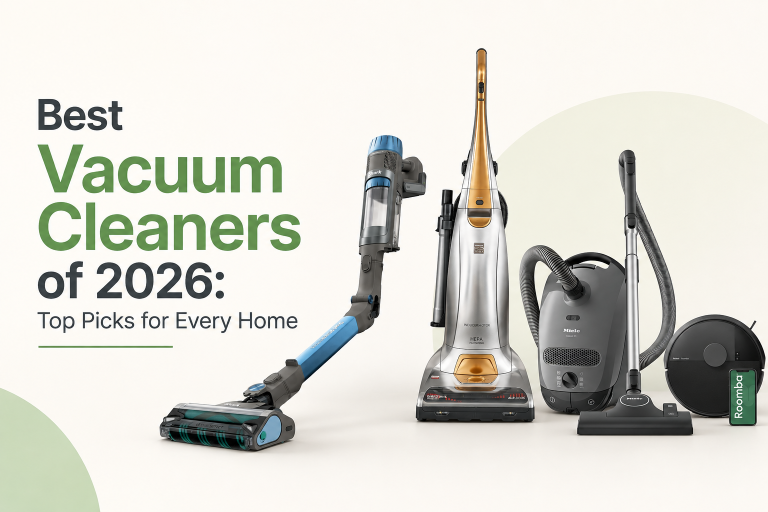
If you’re shopping for a new vacuum, see our guide to the Best Vacuum Cleaners of 2026.
Frequently Asked Questions
How often should I replace my vacuum filter?
There is no universal replacement interval. Follow your vacuum manufacturer’s recommendations and inspect the filter regularly. Usage, pets, dust levels, and filter type can all affect how frequently maintenance is needed.
Can I wash my vacuum filter?
Only if the filter and vacuum manufacturer say it is washable. Some filters are designed to be replaced rather than washed.
How do I know if my vacuum filter is dirty?
Inspect the filter for accumulated dust and debris. Reduced suction, unusual odors, or other performance changes can also indicate that the vacuum needs maintenance.
Can a dirty filter reduce vacuum suction?
A heavily clogged filter can restrict airflow, which may affect vacuum performance. However, blocked hoses, a full dustbin, brush-roll problems, or other issues can also cause reduced suction.
Should I replace my vacuum filter if I have pets?
Homes with pets may require more frequent filter inspection because pet hair and other debris can accumulate faster. Follow the manufacturer’s recommendations for cleaning and replacement.
How long does a vacuum filter last?
Filter lifespan varies by model and filter type. Some filters are washable and reusable, while others require periodic replacement. Check the manufacturer’s instructions for your specific vacuum.
Final Verdict
How often should you replace a vacuum filter? There isn’t one number that applies to every vacuum.
The best approach is to follow your manufacturer’s maintenance schedule, inspect the filter regularly, clean it when appropriate, and replace it when the manufacturer recommends or when the filter becomes damaged or worn.
If your vacuum is losing suction, smelling unusual, or performing differently, don’t immediately assume you need a new machine. Start with basic maintenance and check the filter along with the dustbin, brush roll, hose, and other components.
Taking a few minutes to maintain your vacuum regularly can help keep your cleaning routine running smoothly.
Disclosure: As an Amazon Associate, VRIK may earn from qualifying purchases.